Discarded wings near a window in spring is a termite swarm, not flying ants, and it means a mature colony is already established somewhere in the structure. A colony can feed on structural wood for years before any visible sign appears on the surface, which is why routine inspection matters even without an active swarm.
A full inspection includes a wood-destroying organism report suitable for real estate closings, at no charge.
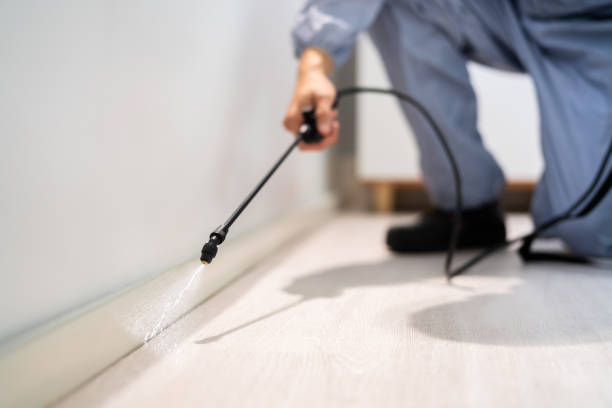
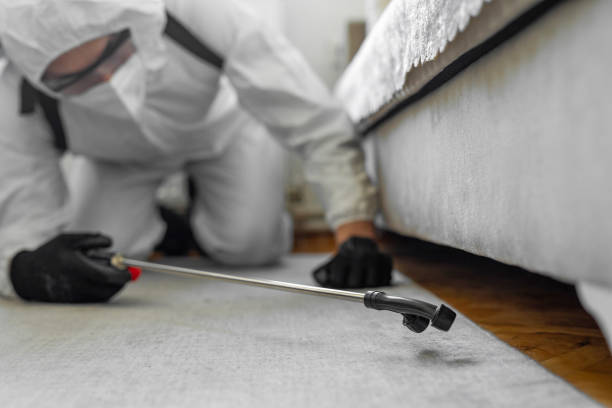
Our Termite Control crew is certified specifically for termiticide application, not general pest work.
We keep inspection slots open same-week for Hale Center homeowners seeing mud tubes or wings near windows.
You'll see one written quote before any termiticide is applied — no per-visit billing surprises.
Our inspection kit includes bore-scopes for checking wall voids without cutting into drywall unnecessarily.
Subterranean colonies travel through soil, so barrier treatment is mapped around the entire structure's perimeter.
Stations use a slow-acting bait that colony members share, which can eliminate the nest rather than just the visible tubes.
Drywood termites don't need soil contact, so treatment targets the specific wood member, often with localized injection.
We provide a full written wood-destroying organism report accepted by most lenders as part of closing documents.
Moisture meters and sounding tools help us map the extent of existing damage before recommending repairs.
Commercial properties get scheduled monitoring and renewal treatment under a documented termite protection plan.

Tell dispatch whether it's a swarm sighting or existing damage; swarm calls get expedited scheduling.
Our mobile units carry both liquid termiticide and bait station equipment for Hale Center termite calls.
We trace mud tubes, check for wood-to-soil contact, and identify subterranean versus drywood species before quoting.
Guarantee coverage means continued activity within the guarantee window gets a free re-treatment.
The WDO report they provided was exactly what our lender needed for closing — saved us from a delay.
Knowing the difference between drywood and subterranean species mattered — our treatment was completely different than what a neighbor got for the same symptom.
As a property manager, having a bonded termite plan on file made our annual insurance review painless.
We were about to list our house when the pre-listing inspection caught early subterranean activity — glad it was found before a buyer's inspector did.

No matter which Hale Center neighborhood you're in, a technician equipped for termite-specific work can reach you within days, often sooner. Real estate transactions, renewals, and new active infestations all fall under the same Hale Center service area and response timeline.

Termite swarmers have straight antennae and a thick waist, unlike the bent antennae and pinched waist of flying ants.
Subterranean termites need soil contact and build mud tubes, while drywood termites live entirely inside dry wood without soil access.
Most lenders require a wood-destroying organism report as part of closing, and we provide one with full documentation.
Barrier treatments typically hold for several years, with monitoring visits confirming the barrier is still effective.
Exterior barrier treatment usually doesn't require leaving the home, but we'll tell you specifically if your treatment plan does.
Our guarantee covers a free re-treatment if activity returns within the stated window on your service agreement.
One call to +1-844-564-2570 gets a certified termite technician on your schedule.
Call +1-844-564-2570